Agrilo
Real-Time Chemistry for Real-Time Action.
Role
Interface Designer
Team
1 Designer, 1 UX Researcher, 1 Project Manager
Disciplines
Interface design, prototyping, product strategy, packaging design
Year
2024
Turning real-time chemistry into action.
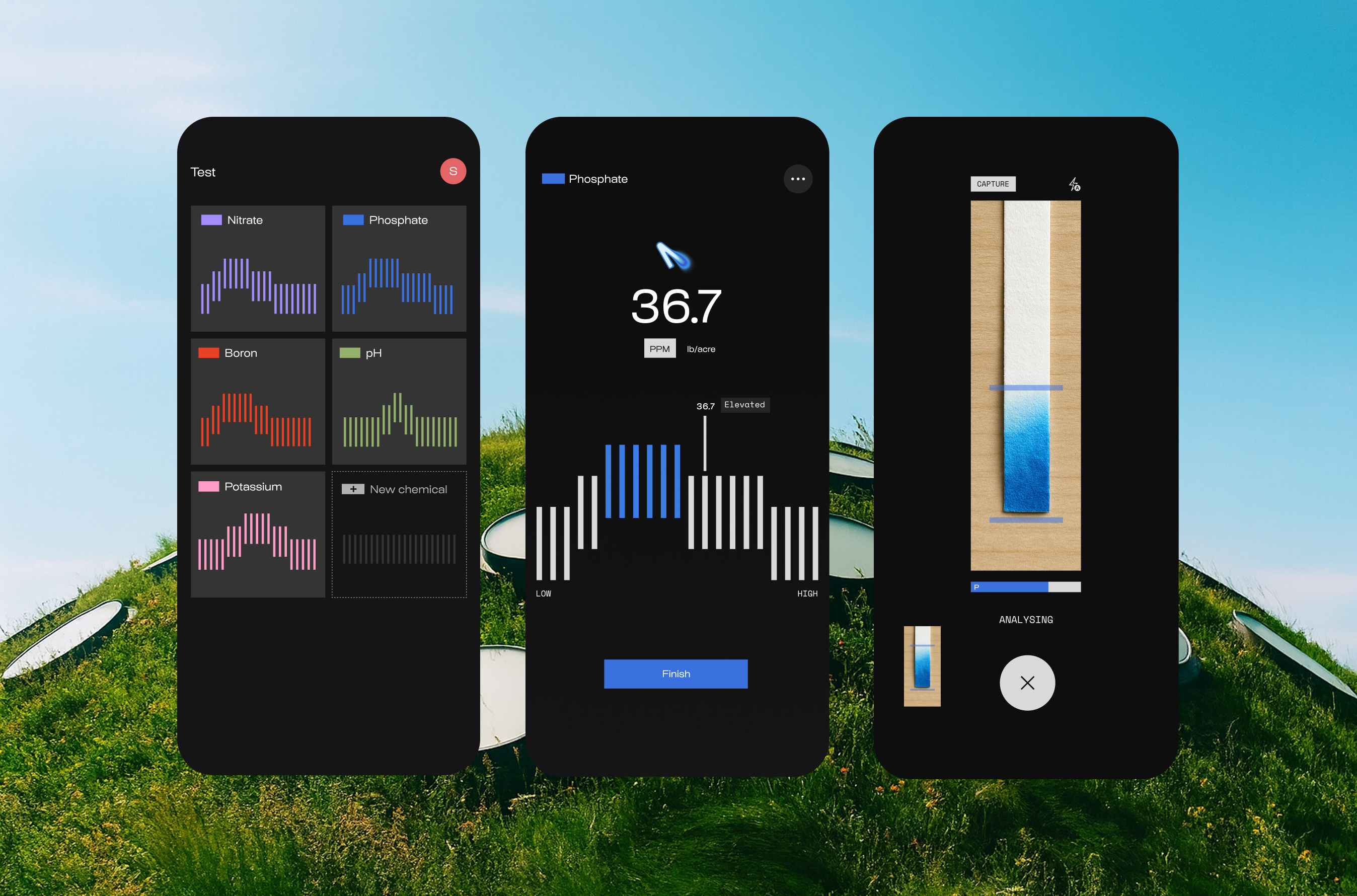
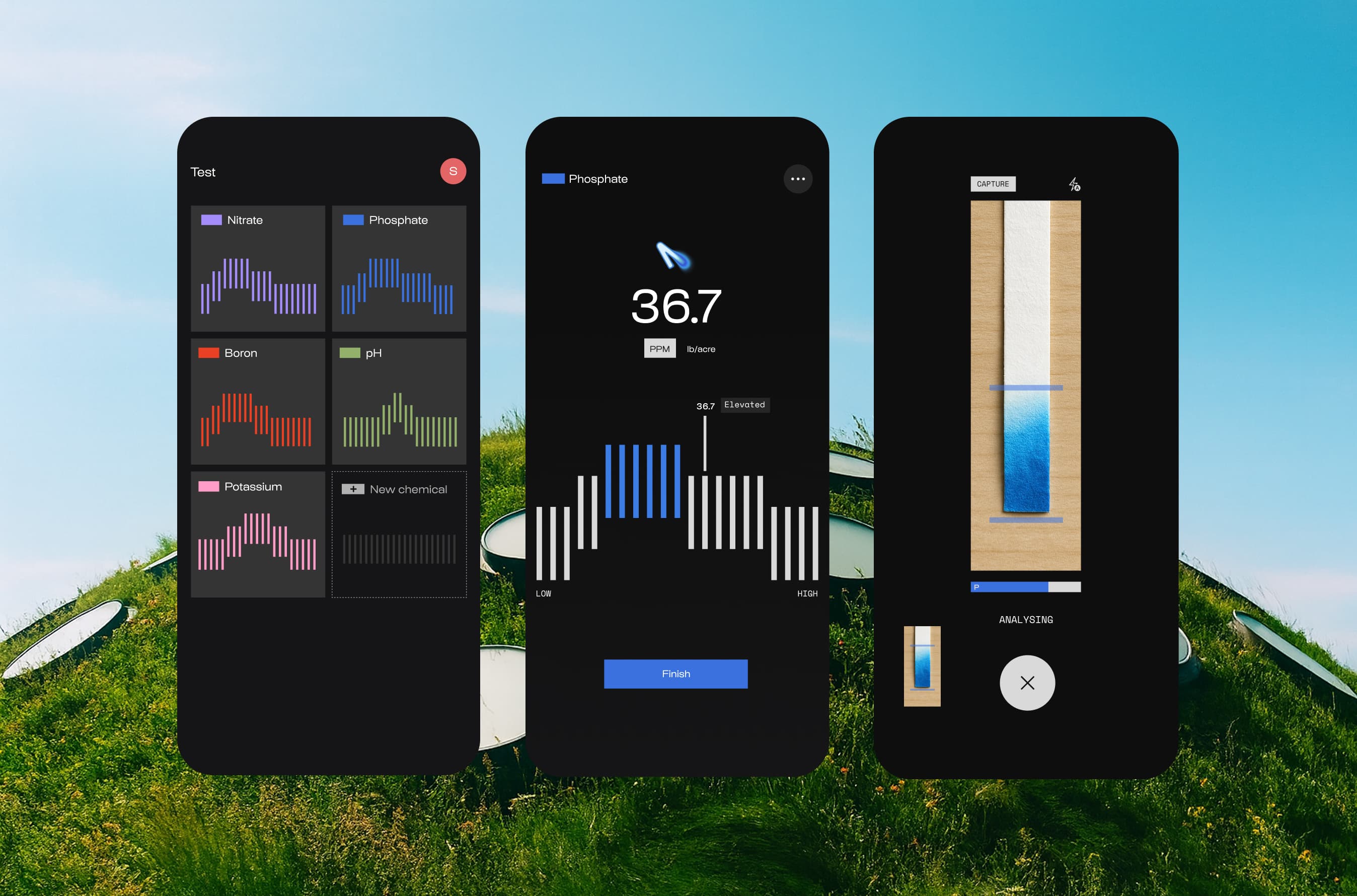
I worked on a mobile app that uses colorimetric photo based chemistry to give agronomists instant chemical analysis in the field. My role focused on designing the web facing product that turned those results into automation, scheduling, and structured decision tools, allowing users to move from single test moments into repeatable nutrient management systems.
The Cost of Waiting.
Problem - Farmers wait for answers that should be instant. They send soil samples out, pay high fees, and hope the results return before conditions shift again. They try to plan fertilizer strategy while the clock is still ticking on the lab turnaround. They guess timing, estimate nutrient balance, and constantly adjust without knowing if the numbers are even current.
Decisions become delayed. Money gets burned in the waiting gap. Progress stalls while the data catches up.
Making real-time chemical insight actually actionable
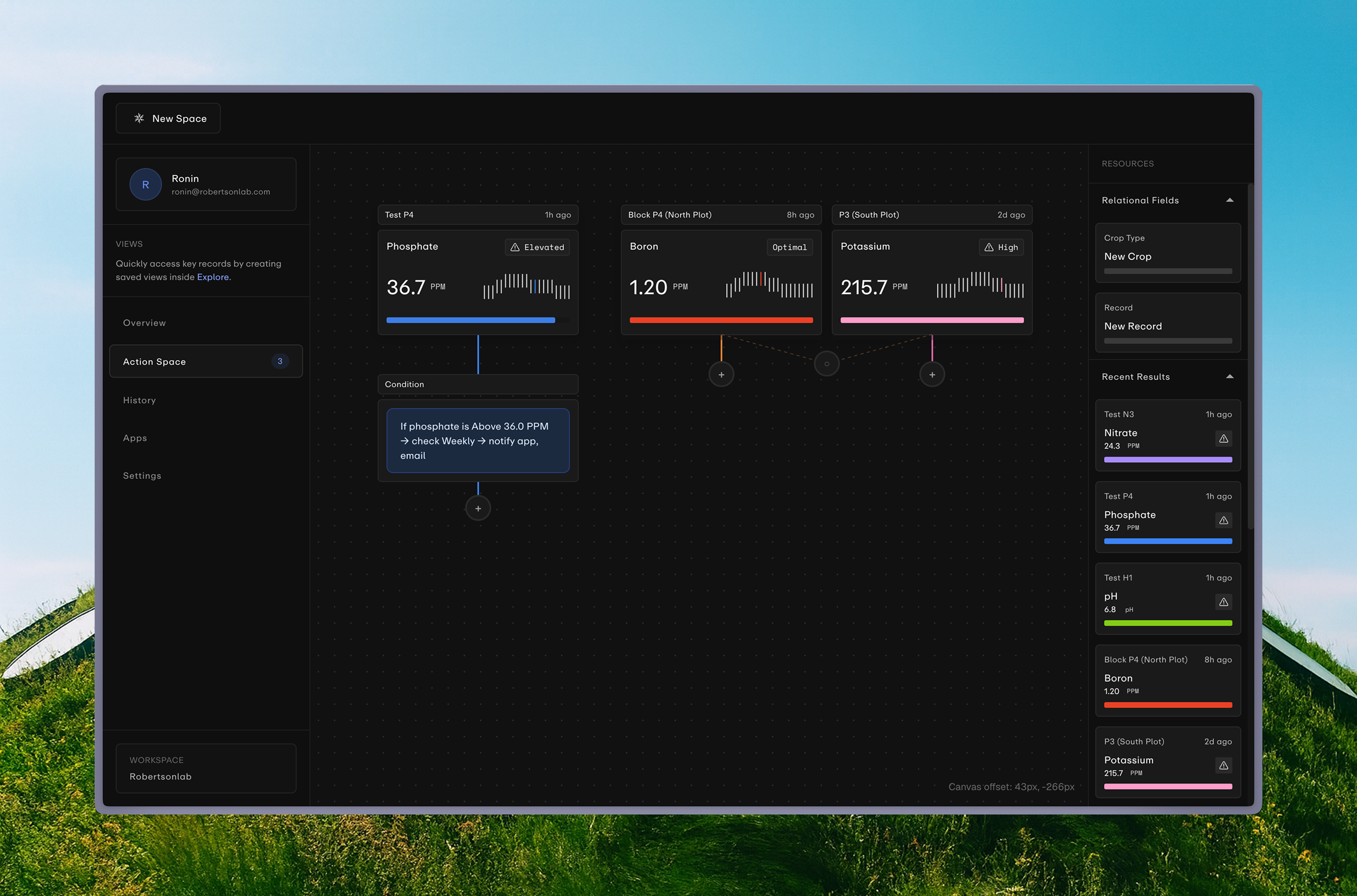
Solution — the Agrilo web app centralizes chemical results, actions, and timing into a single workflow. It combines instant analysis, automated scheduling, and contextual action logging. Together, these capabilities unlock real-time feedback that farmers can act on immediately instead of waiting days for the lab to catch up.
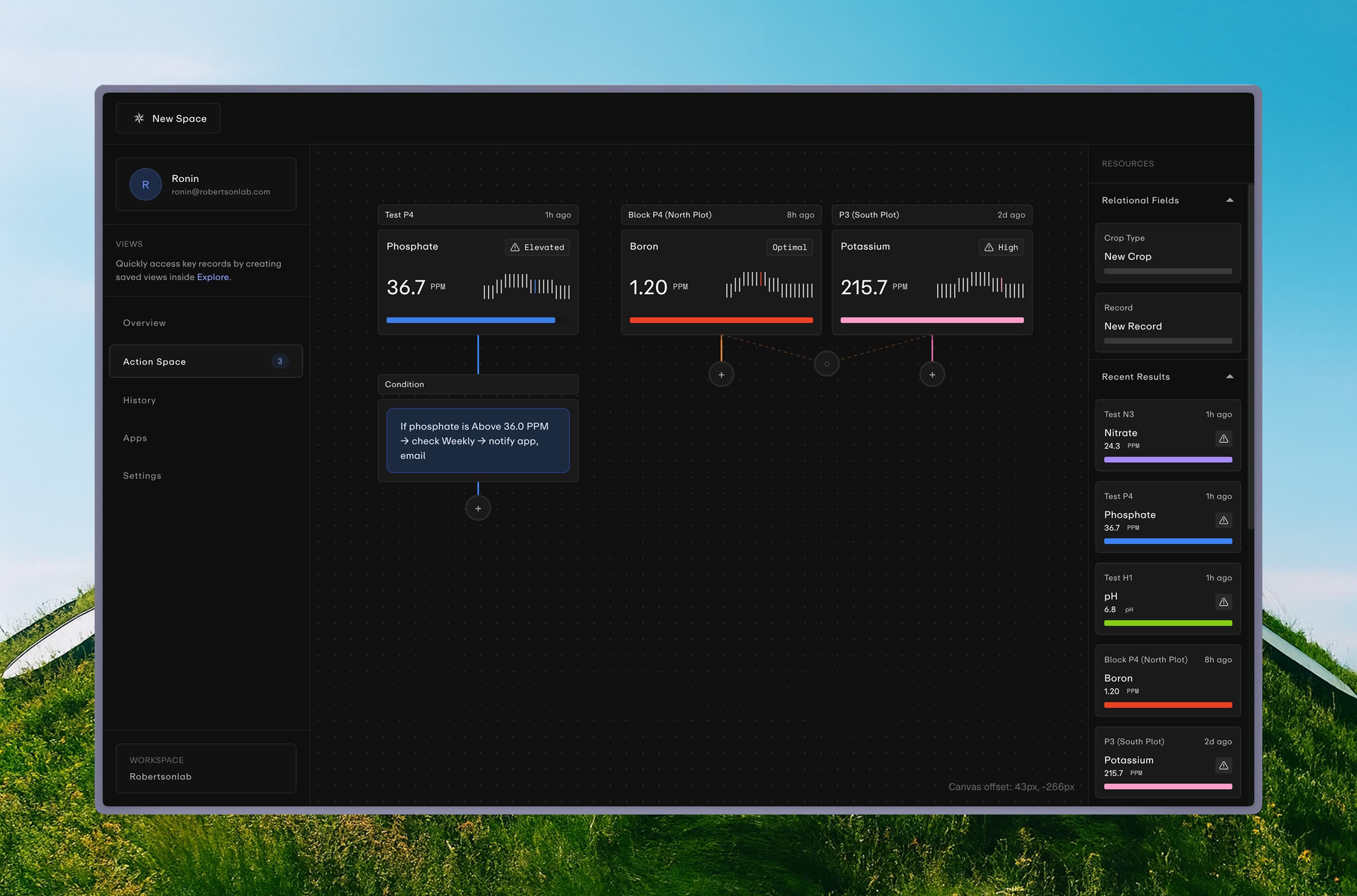
Automate threshold checks
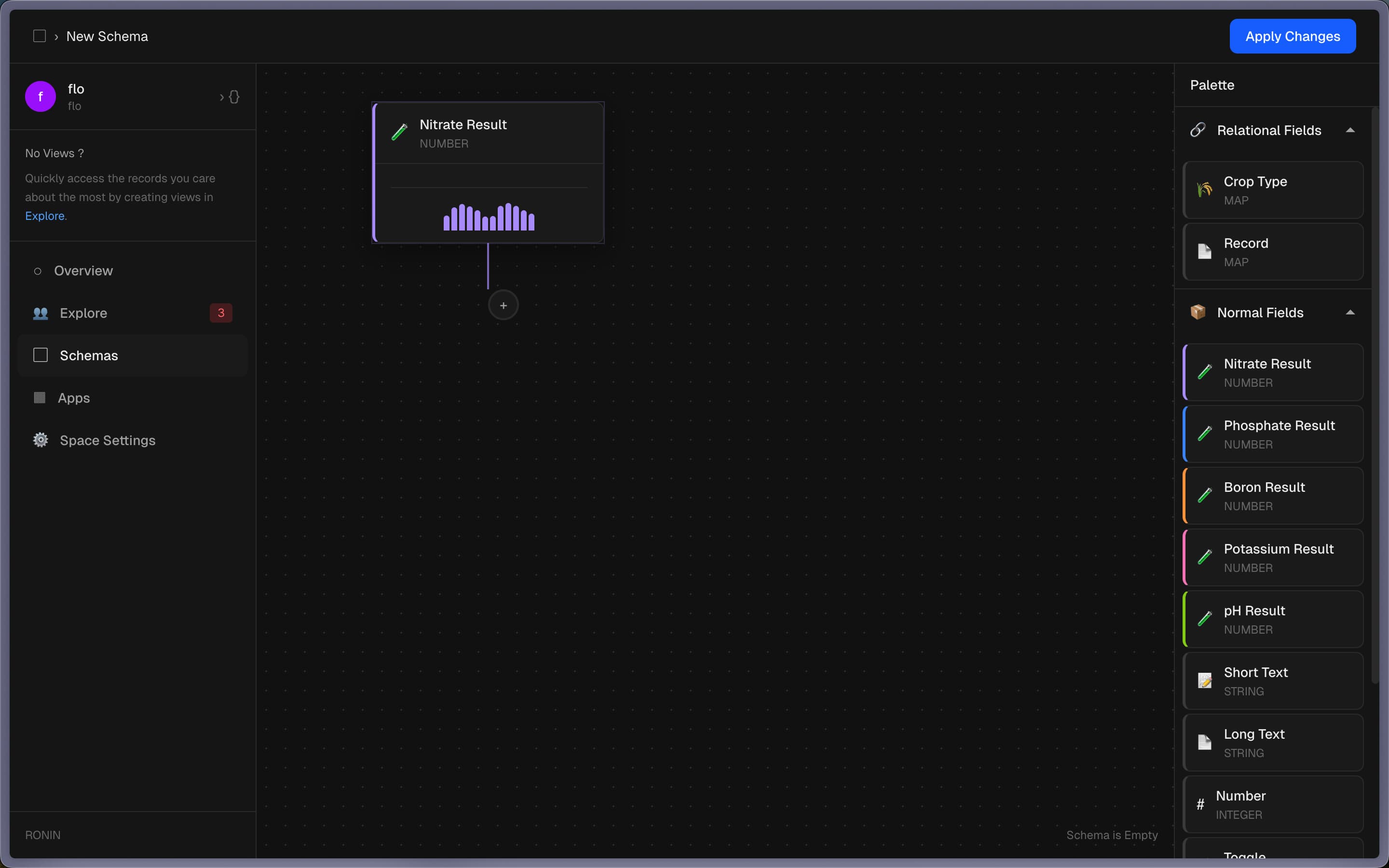
Set nutrient thresholds and instantly get notified when future readings go above or below your defined range. These checks can be scheduled to run automatically at whatever interval aligns with the agronomist plan, ensuring new results are continuously verified as they come in.
Record Field Actions
Record actions as they happen. Select the type of application, choose the material, enter the amount, add the date, and capture any important notes for context.
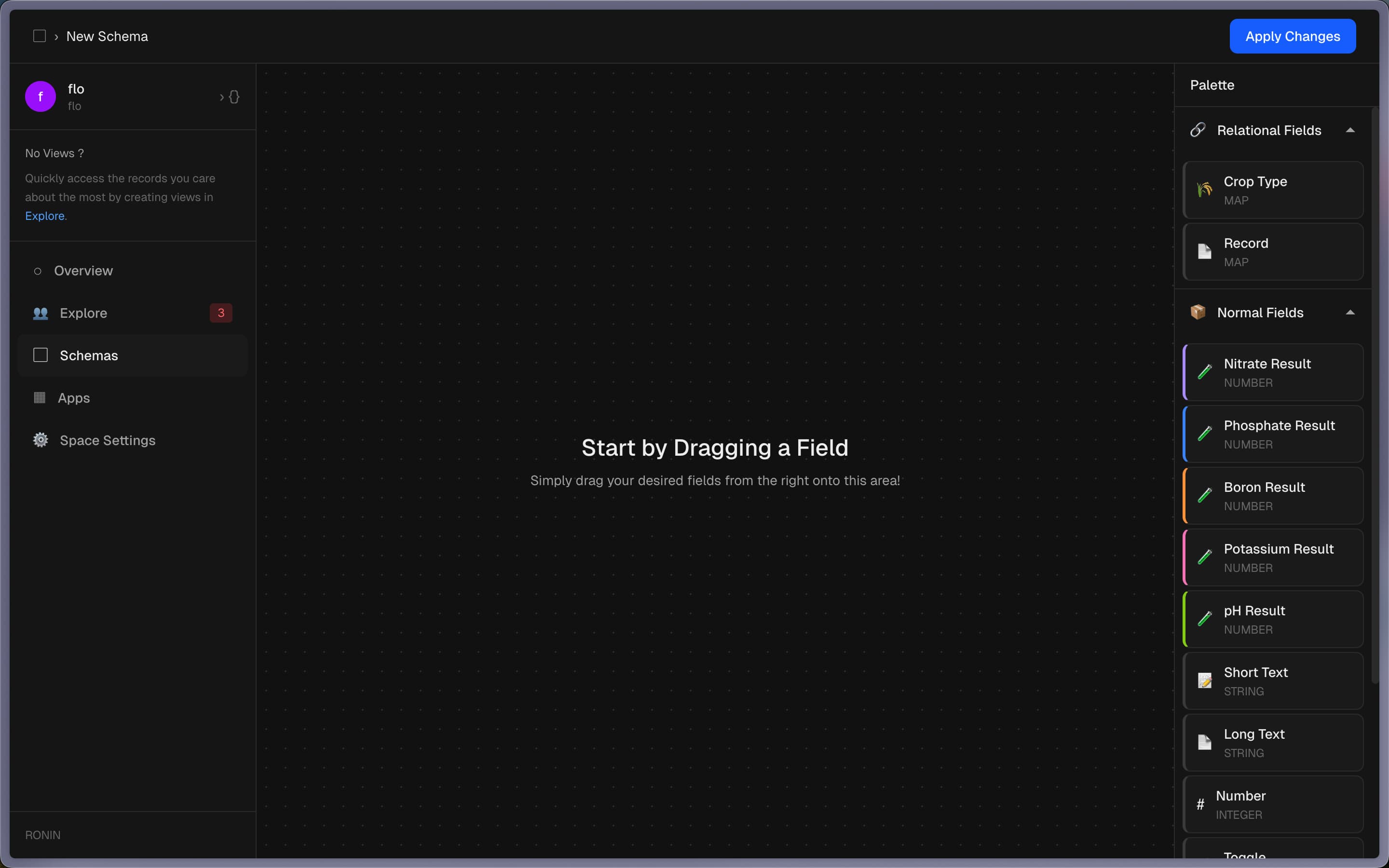
Link chemical data
Connect multiple chemical analysis results and group them into a single view. Combine readings, actions, and notes together so patterns become easier to spot and decisions become more confident and informed.
Building and validating in the field
Prototyping + Testing — I rapidly prototyped in Next.js and Cursor alongside our user group, refining interaction patterns live. These prototypes were then tested in Costa Rica, Kenya, and Canada to confirm the workflows aligned with how users make chemical decisions in real farming contexts.
Shifting From Reporting to Guidance
Reflection — Building high-fidelity prototypes early made me realize how valuable it is to test logic, timing, and interaction structure in real contexts instead of waiting until the end. The biggest learning was understanding that speed of feedback fundamentally changes decision making. When data becomes real time, design shifts away from "reporting" and toward guidance. This changed how I think about designing decision support systems moving forward.
Real-Time Chemistry for Real-Time Action.
Turning real-time chemistry into action.
I worked on a mobile app that uses colorimetric photo based chemistry to give agronomists instant chemical analysis in the field. My role focused on designing the web facing product that turned those results into automation, scheduling, and structured decision tools, allowing users to move from single test moments into repeatable nutrient management systems.
The Cost of Waiting.
Problem - Farmers wait for answers that should be instant. They send soil samples out, pay high fees, and hope the results return before conditions shift again. They try to plan fertilizer strategy while the clock is still ticking on the lab turnaround. They guess timing, estimate nutrient balance, and constantly adjust without knowing if the numbers are even current.
Decisions become delayed. Money gets burned in the waiting gap. Progress stalls while the data catches up.
Instant feedback changes everything.
Opportunity - Instant feedback changes everything. Instead of waiting days for lab results, farmers can get real chemical clarity in minutes. The web app becomes the layer that turns readings into action. Automations can react faster than humans. Scheduling can handle timing without constant monitoring. Visualization can reveal patterns that are impossible to see on paper.
Bring your nutrient data, field actions, and chemistry together
Solution - Agrilo automates nutrient threshold checks, logs field actions as they happen, and connects chemical data into one clear view—so agronomists can track changes, spot patterns, and make confident decisions with less manual work.
Automate threshold checks
Set nutrient thresholds and instantly get notified when future readings go above or below your defined range. These checks can be scheduled to run automatically at whatever interval aligns with the agronomist plan, ensuring new results are continuously verified as they come in.
Record Field Actions
Record actions as they happen. Select the type of application, choose the material, enter the amount, add the date, and capture any important notes for context.
Link chemical data
Connect multiple chemical analysis results and group them into a single view. Combine readings, actions, and notes together so patterns become easier to spot and decisions become more confident and informed.
Building and validating in the field
Prototyping + Testing — I rapidly prototyped in Next.js and Cursor alongside our user group, refining interaction patterns live. These prototypes were then tested in Costa Rica, Kenya, and Canada to confirm the workflows aligned with how users make chemical decisions in real farming contexts.
Shifting From Reporting to Guidance
Reflection — Building high-fidelity prototypes early made me realize how valuable it is to test logic, timing, and interaction structure in real contexts instead of waiting until the end. The biggest learning was understanding that speed of feedback fundamentally changes decision making. When data becomes real time, design shifts away from “reporting” and toward guidance. This changed how I think about designing decision support systems moving forward.
This project is ongoing.